
الوصف
شركة هانغتشو إيفر-باور سبراكت المحدودة
A poultry slaughter line runs 16 hours a day through blood, bone particles, cleaning chemicals, and high-pressure hot water. The maintenance window is the four hours when it stops. The sprocket has to survive the other twenty.
Why Poultry Lines Are Hard on Mechanical Drives
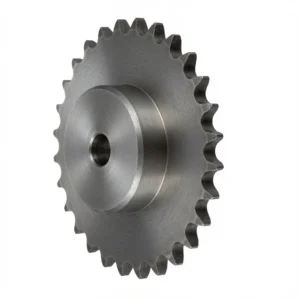
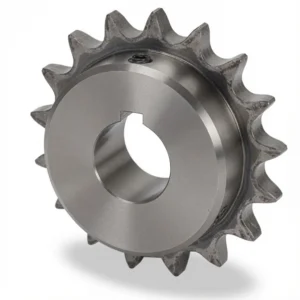
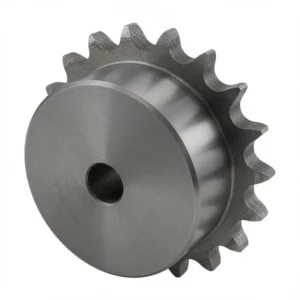
Poultry processing presents a combination of corrosive challenges that few other food applications match. Blood is mildly acidic (pH 7.0–7.4, but containing organic acids that attack metal surfaces under scale). High-pressure washdown with hypochlorite sanitizer (sodium hypochlorite, a strong chloride source) follows every production run. The wash water temperature cycles between ambient and 60–70 °C. Bone particles and feather fragments produce abrasive debris that works into chain-sprocket contacts. Carbon steel in this environment progresses from surface oxidation to pitting corrosion to through-thickness perforation of chain plates in a matter of weeks — with rust particles migrating through the chain drive and into the product zone throughout. The ترس من الفولاذ المقاوم للصدأ من إيفر-باور #40 in 316 SS eliminates the corrosion variable from this environment. The chloride resistance of 316 SS handles the hypochlorite sanitiser that pits 304 SS. The smooth machined finish does not trap organic debris. The consistent pitch accuracy maintained through the service life means chain tension stays predictable and does not drift as corrosion-enlarged tooth profiles begin to advance chain length.
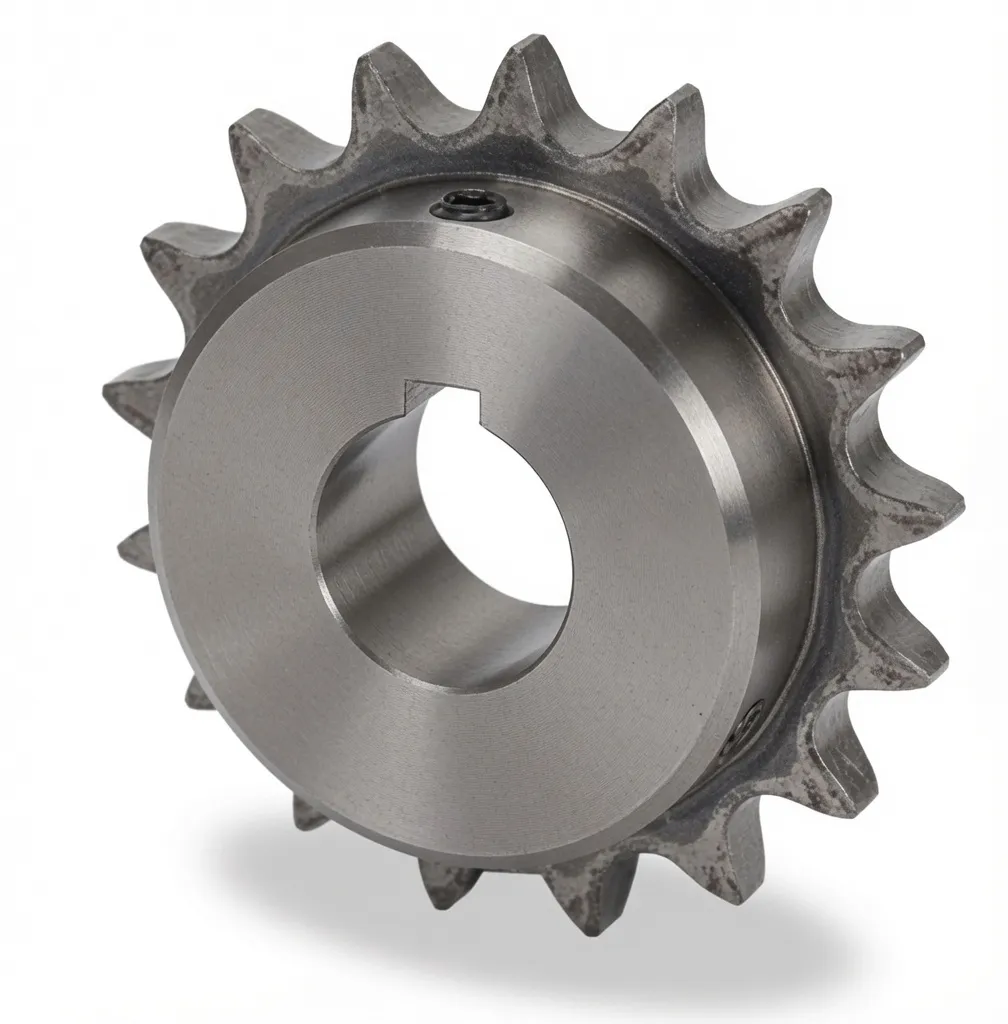
The Taper-Lock Hub: 15-Minute Sprocket Changeout Without Shaft Removal
The maintenance window on a poultry line is the most constrained in food processing: typically four hours between the end of sanitation and the start of the next production run, during which the drive system must be inspected, any worn components replaced, re-lubricated, and function-tested. A conventional finished-bore sprocket requires shaft end access — which means removing bearings, drive couplings, and adjacent components before the sprocket will slide off. A taper-lock hub sprocket requires loosening three screws. That difference between 90 minutes and 15 minutes of wrench time is the difference between a maintenance schedule that works and one that routinely runs over. We supply all our #40 SS sprockets in taper-lock hub configuration as a standard option, using QD and SDS bushing series that are compatible with the most common shaft sizes on poultry conveyor equipment.
How Taper-Lock Removal Works in Practice
المواصفات الفنية
| المعلمة | قيمة |
|---|---|
| رقم السلسلة | ANSI 40 |
| يقذف | 12.7 مم (1/2 بوصة) |
| الدرجة الموصى بها | 316 SS (hypochlorite resistance) |
| نطاق الأسنان | 9T – 96T |
| خيارات المركز | Type A / B / C / Taper-lock (QD/SDS) |
| امتثال | ANSI B29.1 الفئة أ، ISO 9001:2015 |
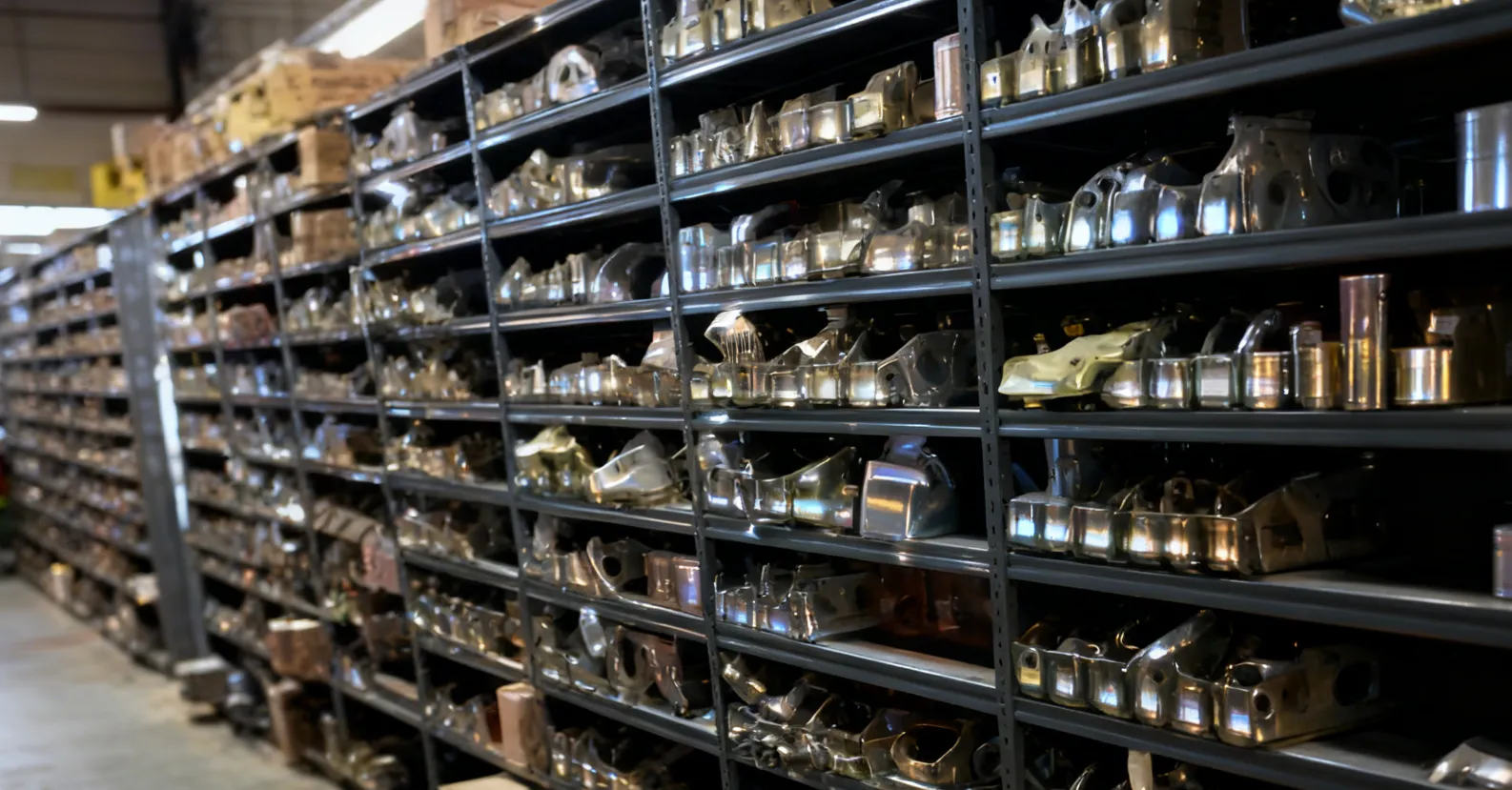
Parts for a Complete Poultry-Line SS Drive
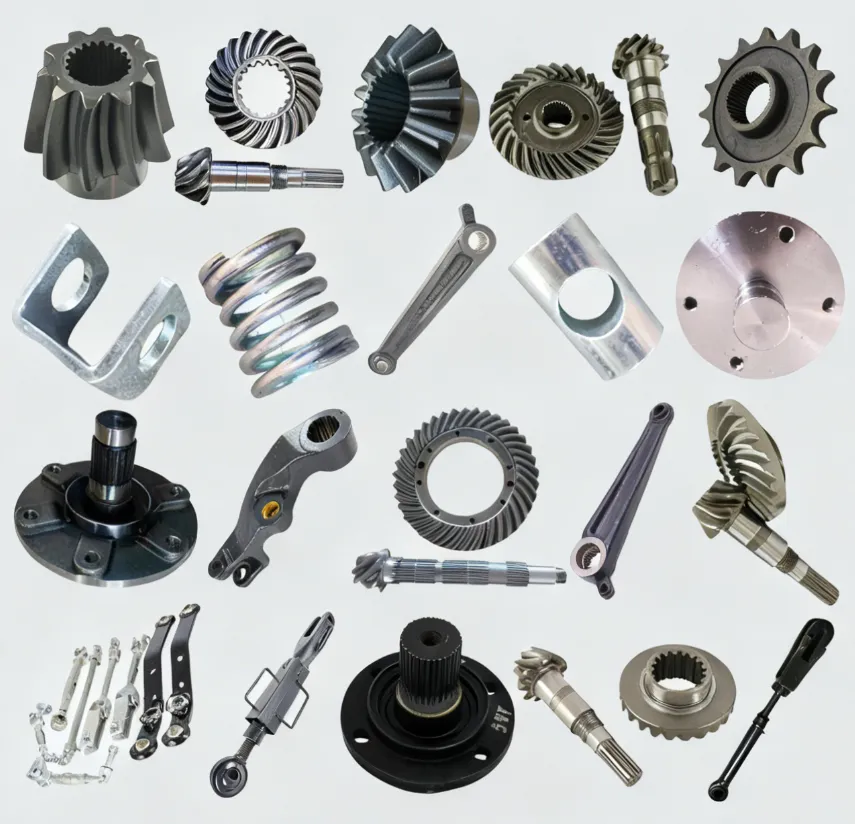
- ANSI 40 316 SS Roller Chain — per-foot or 25 ft bulk, with SS connecting links
- مجموعات جلبة مخروطية QD و SDS — for all common shaft sizes on poultry equipment
- واقيات سلسلة من الفولاذ المقاوم للصدأ — 1.5 mm 316 sheet metal with hinged inspection panel
- مادة تشحيم غذائية من الدرجة H1 من NSF — drip oiler or PTFE spray for SS chain
- Spare Sprocket Pre-Kits — taper-lock hub sprockets pre-assembled on bushings, ready for rapid changeout
What Poultry Plant Engineers Report
“Switched our evisceration conveyor to Ever-Power 316 SS taper-lock sprockets. Changeout time dropped from 90 minutes to under 20. We can now inspect and replace during the normal sanitation window without running over.”
“Two years on the kill-floor conveyor. Zero corrosion on the 316 SS units. Previously we were replacing carbon sprockets every 6 weeks. The annual parts spend on this drive dropped by about 70%.”
“Good product, delivered correctly. The pre-assembled taper-lock spare kits we ordered are stored on-site for instant changeout — that was exactly the recommendation from our reliability engineer. Very practical setup.”
Specify Taper-Lock #40 SS Sprockets for Your Line
+86-571-88220653 | [email protected] | طريق شينخوا، هانغتشو، الصين
اطلع على صفحتنا الكاملة مجموعة تروس مقاومة للتآكل أو قم بزيارة صفحة "نبذة عنا".


المراجعات
لا توجد مراجعات بعد.