
설명
항저우 에버파워 스프로킷 유한회사
On a fishing vessel, you cannot call a maintenance contractor. The parts you have aboard are the parts you work with. The components that last the whole season mean the difference between reaching port with a hold full of fish and returning early for a breakdown.
The Marine Drive Environment and Why It Defeats Standard Sprockets
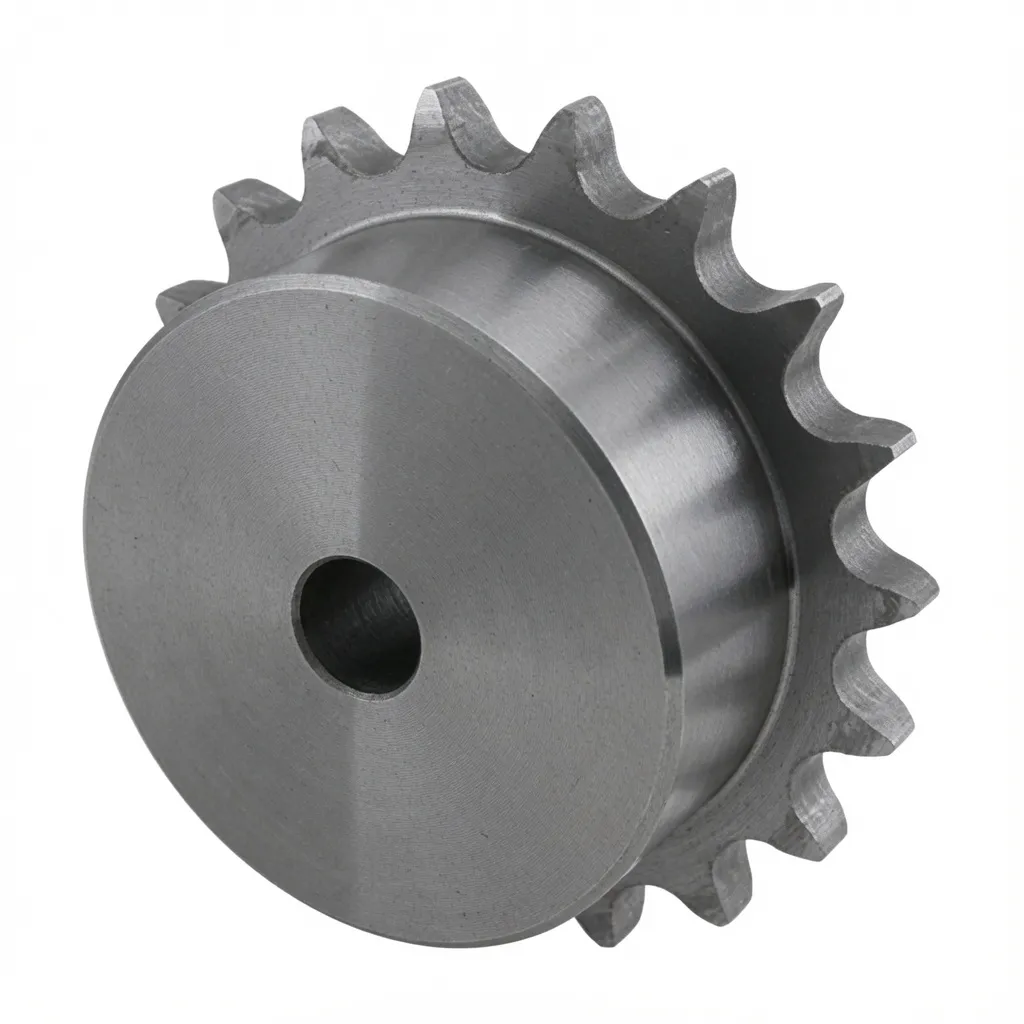
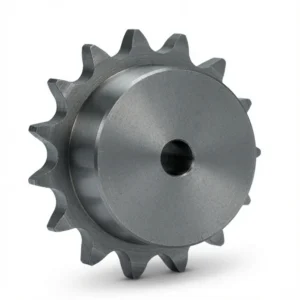
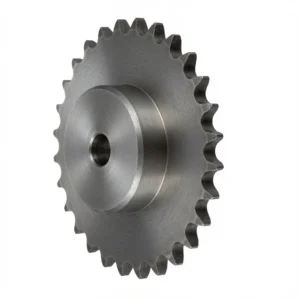
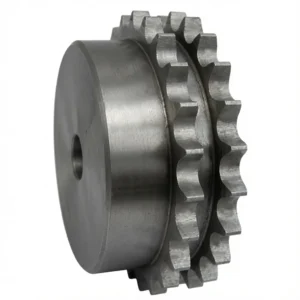
Offshore fishing and processing vessels operate in one of the most aggressive corrosion environments that industrial machinery encounters: continuous saltwater aerosol from wave action and deck-washing, periodic direct seawater flooding of deck-mounted equipment, fish-processing brine and gut-acid contamination of conveyor drives, hypochlorite sanitiser applied multiple times daily, and the mechanical vibration of a working vessel at sea. Carbon steel sprockets in this environment can be visibly corroding within 72 hours of installation. By week two of a six-week fishing trip, the chain is carrying rust debris from sprocket surfaces into the fish-processing equipment. A 316 SS sprocket installed on the same drive starts the trip clean, runs the entire season without corrosion-related degradation, and is inspected and reused the following season rather than binned in port. The 에버파워 #60 스테인리스 스틸 스프로킷 is the standard specification for vessel conveyor and hauler drives that must run reliably from departure to return — regardless of what the North Atlantic, the Bering Sea, or the Southern Ocean throws at the deck.
Installation and Maintenance in Constrained Vessel Space
Engine rooms and fish-handling deck areas on working vessels are not maintenance shops — they are constrained, wet, and often accessible from only one direction. Sprockets that require shaft end access for installation or removal present a significant practical problem in these spaces. We supply three configurations that address vessel-specific installation constraints:
Three-screw removal without shaft disassembly. Best where the shaft can be reached from one end — covers most vessel conveyor and hauler installations.
Bolted-split design — install and remove around the shaft without moving anything adjacent. Specified for mid-shaft positions where nothing can be disturbed.
Standard for new installations where the shaft is accessible. H7 bore tolerance ensures a precise fit without fretting at sea.
기술 사양
| 매개변수 | 값 |
|---|---|
| 체인 번호 | ANSI 60 |
| 정점 | 19.05mm (3/4″) |
| 추천 등급 | 316 SS (seawater / chloride environment) |
| 치아 범위 | 8T – 72T |
| 허브 옵션 | Finished bore / Taper-lock / Two-piece split |
| 규정 준수 | ANSI B29.1 클래스 A, ISO 9001:2015 |
What a Season at Sea Does to the Corrosion Data
Marine environments accelerate corrosion at a rate that is dramatically higher than most industrial land-based applications — a combination of continuous chloride aerosol, cyclic wet-dry exposure, and galvanic coupling risk from dissimilar metals in the hull. The passivation treatment we include with marine orders (citric acid per ASTM A967) maximises the oxide layer before the sprocket is installed, giving it the best possible starting condition. Pairing 316 SS sprockets with 316 SS chain eliminates the galvanic risk at the chain-sprocket interface. Using SS fasteners throughout removes the last common source of galvanic corrosion on vessel conveyor drives. The result is a drive that requires only one inspection at the end of each fishing season rather than mid-trip intervention.
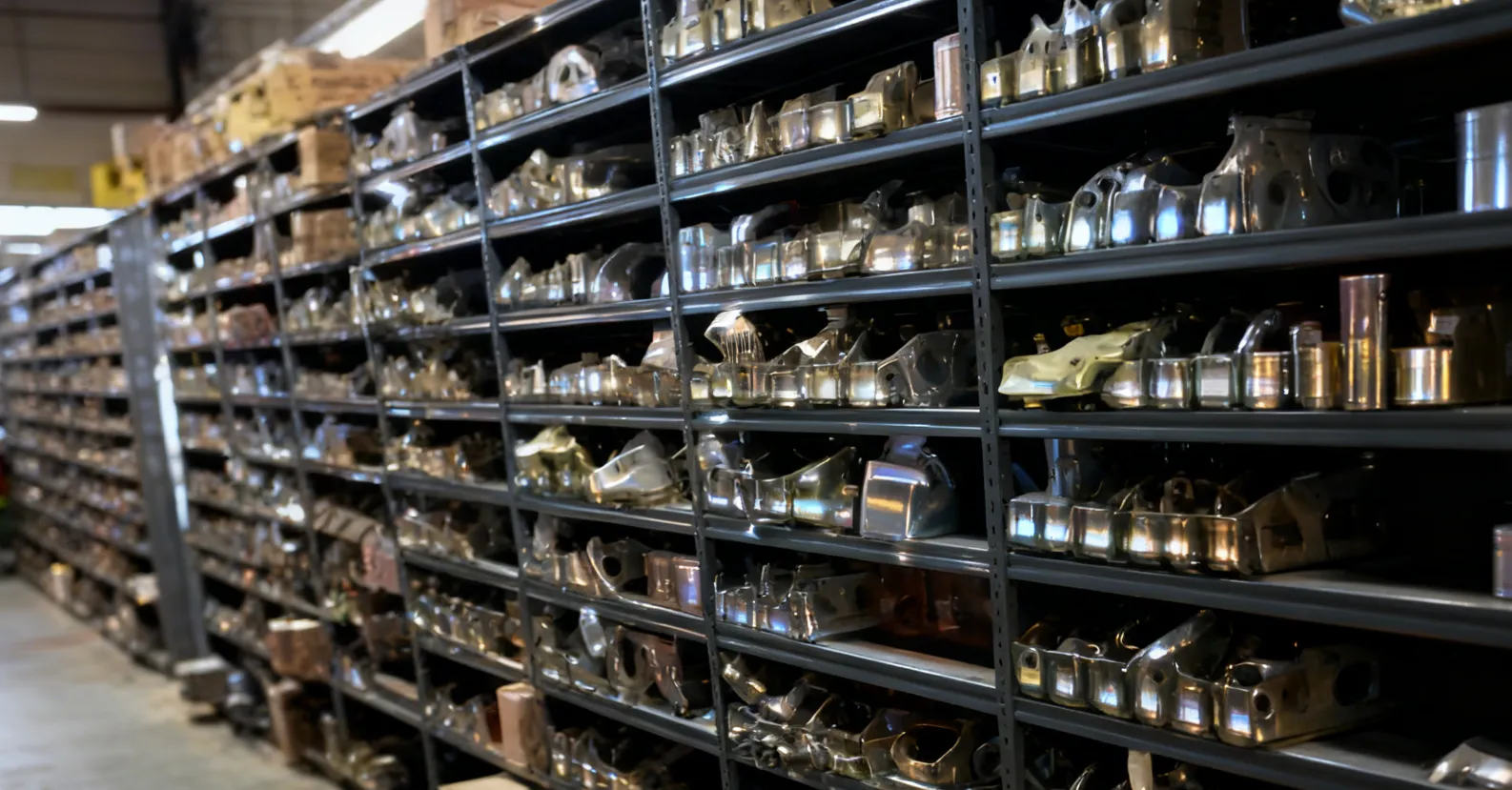
Marine Drive System Components
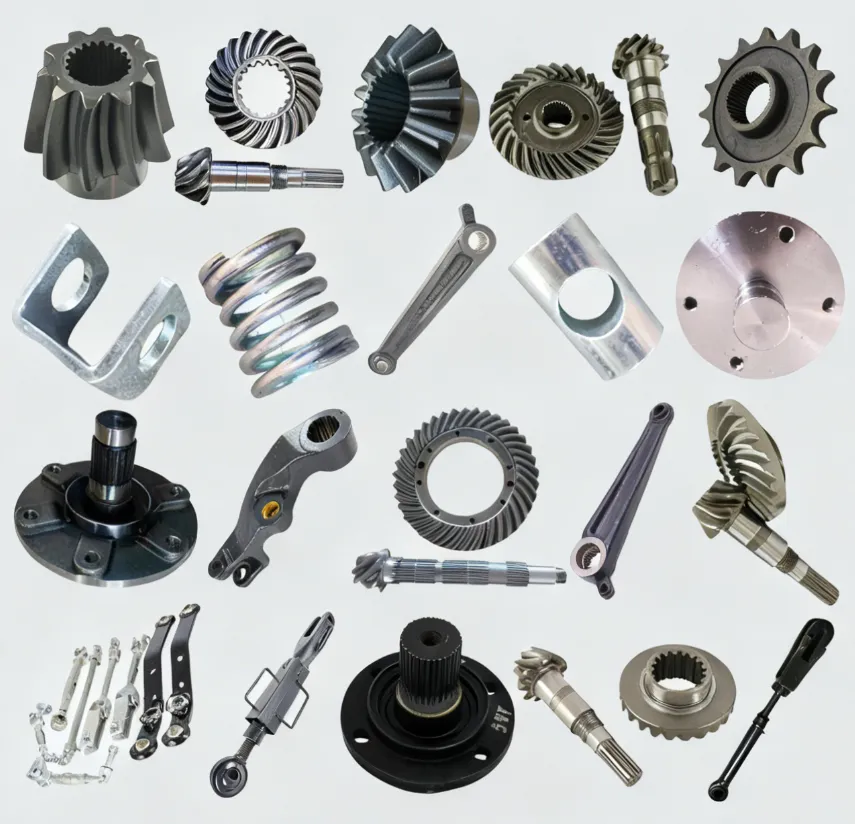
완전한 marine stainless steel sprocket drive system requires consistent 316 SS throughout:
- ANSI 60 316 스테인리스강 롤러 체인 — matched grade to eliminate galvanic coupling
- 60H 헤비 시리즈 스테인리스 스틸 체인 — for hauler and deck winch drives at higher loads
- Two-Piece Split SS Sprockets — for mid-shaft positions in constrained spaces
- 316 스테인리스강 샤프트 칼라 — for precise sprocket location against wave-induced vibration
- Passivated Vessel Kit — sprocket + chain + hardware, all passivated and packaged for storage aboard
What Vessel Engineers Report
“North Atlantic cod season — 7 weeks at sea. The 316 SS #60 sprockets on the gutting table conveyor looked brand new when we got back. The carbon units we used previously were orange by week 3. These stay on the vessel.”
“We ordered split-hub SS #60 sprockets for the net-hauler drive where the shaft is completely inaccessible. Installation took 25 minutes instead of 4 hours with the previous method. Excellent product and practical solution.”
“Salmon processing vessel, Bering Sea. Second season on the same 316 SS sprockets — still in tolerance on the tooth profile gauge. The passivation certificate was useful for our vessel HACCP documentation.”
Equip Your Vessel for the Season — Order Before Departure
+86-571-88220653 | [email protected] | 중국 항저우 선화로
전체 내용을 보려면 클릭하세요 스테인리스 스틸 스프로킷 제품군 or read about us at the 회사 소개 페이지.


상품평
아직 상품평이 없습니다.