
説明
杭州エバーパワースプロケット株式会社
18 months versus 6 weeks. That is the service-life comparison our customers report when they replace carbon steel #35 sprockets with 316 SS on daily-washdown conveyor lines. The numbers are not marketing copy — they are what maintenance logs show.
The Service-Life Mathematics Nobody Puts on a Spec Sheet
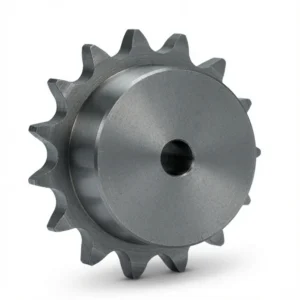
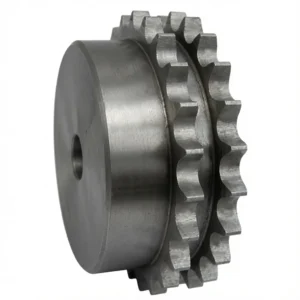
A carbon steel ANSI 35 sprocket on a dairy or food-processing conveyor subject to daily caustic-acid CIP cleaning typically reaches its replacement threshold in 6–10 weeks. The mechanism is not primarily mechanical wear — it is corrosion-driven profile loss. The tooth surface oxidises and pits under repeated alkali-acid-steam cycles, the tooth profile deviates from ANSI geometry, and the chain begins to ride up and skip. At 10 weeks, the maintenance team replaces the sprocket — and the cycle begins again. Over 18 months, that is 7–10 replacement events per sprocket position: each requiring parts cost, labour time, and a planned or unplanned maintenance window. The Ever-Power #35 ステンレススチール製スプロケット in 316 SS changes the mathematics entirely. Customer maintenance records consistently show 18–24 months of service before the first tooth wear measurement that approaches the replacement limit — and that wear is purely mechanical, not corrosion-driven. One replacement event replaces 7–10.
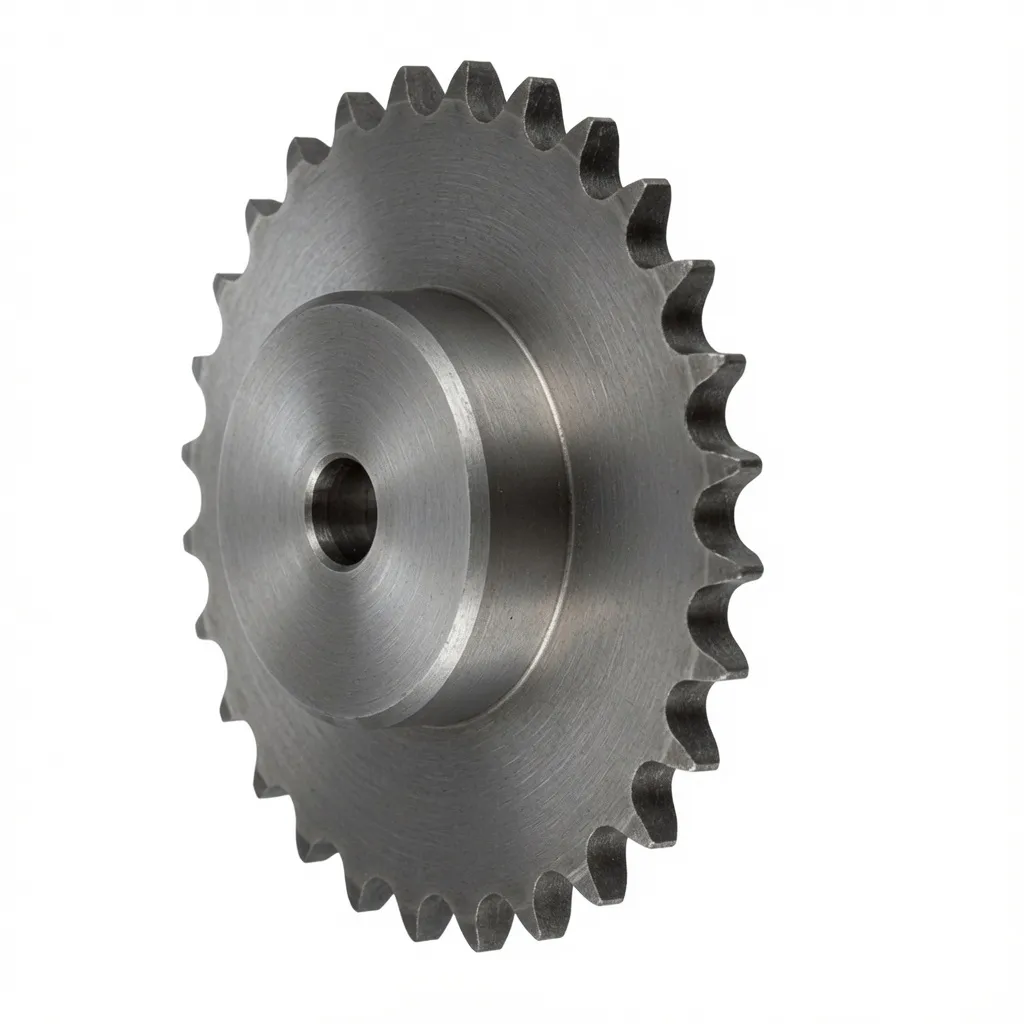
What the 18-Month Data Looks Like in Practice
316 SS on daily NaOH + HNO₃ CIP dairy conveyor, reported across 12 customer sites.
vs. carbon steel at 10-week replacement cycle over the same 18-month period.
Including parts + labour + downtime. Calculated on actual customer data from two dairy facilities.
技術仕様
| パラメータ | 価値 |
|---|---|
| チェーン番号 | ANSI 35 |
| ピッチ | 9.525 mm (3/8インチ) |
| ローラー径 | 5.08 mm |
| 材料 | 304 SS / 316 SS |
| 歯の範囲 | 6トン~60トン |
| 内径公差 | H7規格 |
| コンプライアンス | ANSI B29.1、ISO 9001:2015 |
Why Mechanical Wear — Not Corrosion — Becomes the Limiting Factor
Once corrosion is eliminated from the failure picture, tooth wear from mechanical chain-sprocket contact becomes the only remaining degradation mechanism. In a well-maintained drive running an ANSI 35 chain at design load with proper lubrication, this wear rate is slow and predictable. The practical implication for maintenance planning is that SS sprocket replacement can be scheduled based on tooth profile measurement at regular inspections rather than on a fixed corrosion-driven calendar — which means some sprockets stay in service well beyond 18 months, and the maintenance team makes data-driven decisions instead of defaulting to precautionary replacement.
Lubrication — The One Factor That Affects SS Wear Rate
Stainless steel is not self-lubricating, and the chain-sprocket interface generates heat under load regardless of corrosion resistance. NSF H1 food-grade mineral oil via drip lubrication on enclosed drives, or food-grade PTFE dry-film spray on open drives subject to washdown, are the correct choices. Both maintain boundary lubrication at the pin-bushing contact without leaving residues that fail food hygiene inspections. Avoid silicone spray: it provides poor boundary lubrication for steel-on-steel contact and leads to premature chain elongation.
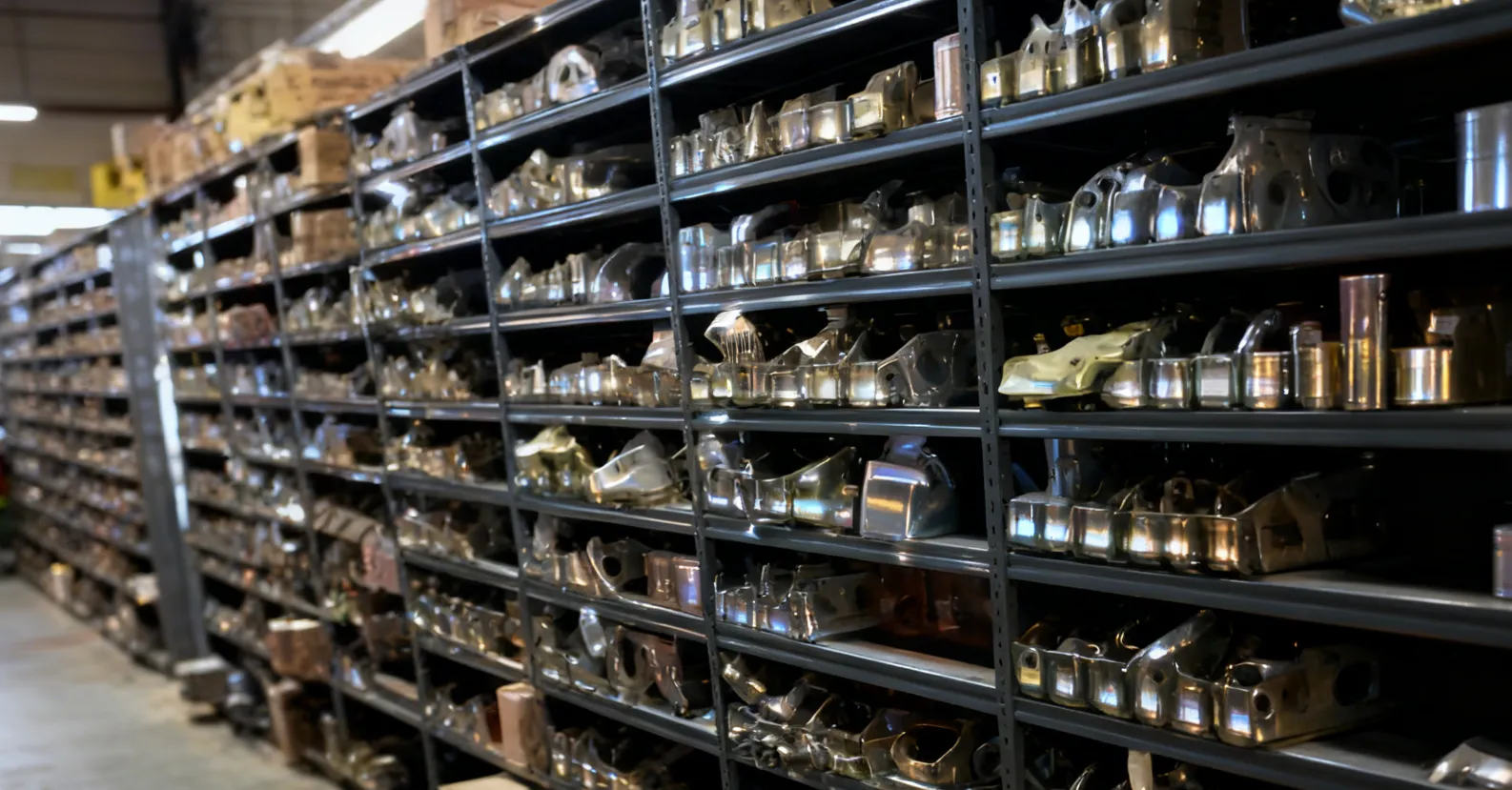
Components We Supply for a Long-Life SS Drive
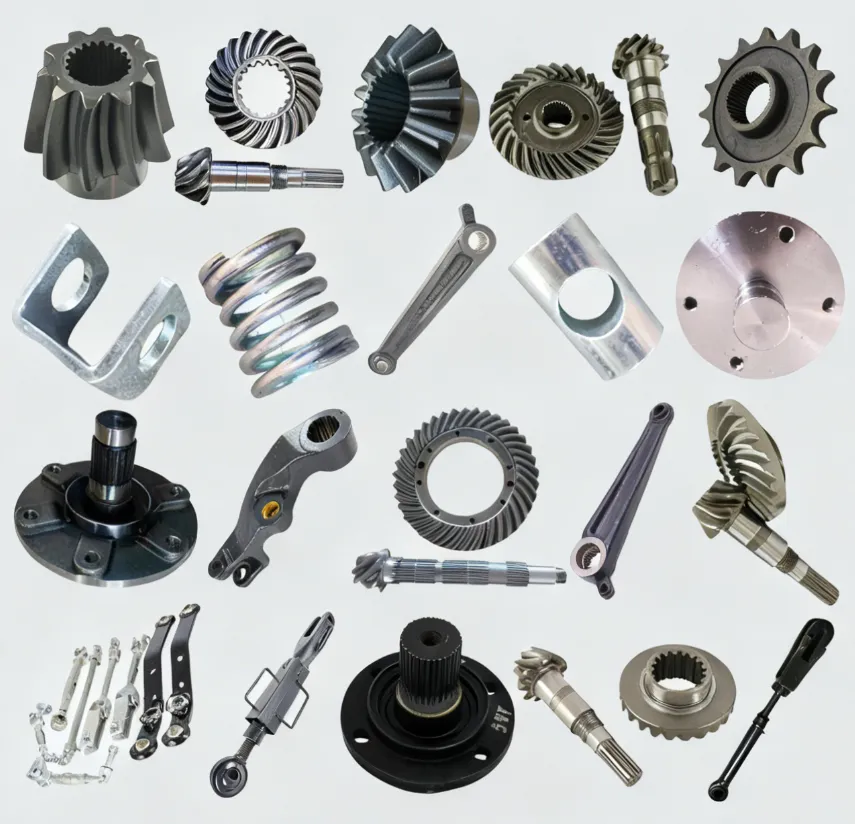
The 18-month figure assumes a grade-consistent drive — SS ステンレス製スプロケット paired with SS chain. Mixing SS sprockets with carbon chain in a wet environment introduces galvanic corrosion at the link contact faces:
- ANSI 35 316 SS Roller Chain — matched grade, 10 ft and 25 ft lengths
- NSF H1 ドリップオイラー — food-grade chain lubrication system
- SSマスターリンク — spring-clip and cottered-pin, grade matched
- テーパーロックブッシュセット — for rapid planned-maintenance changeout
- Service-Life Measurement Kit — chain-wear gauge + tooth-profile template for inspection
お客様の声
“Previously replacing carbon #35 sprockets every 8 weeks on our pasteurisation conveyor. 18 months into the 316 SS switch: still within tooth-wear tolerance at last inspection. The maintenance log tells the whole story.”
“We track all sprocket replacement events in our CMMS. The average interval on Ever-Power 316 SS has been 19.5 months across 6 lines over 3 years. Carbon steel average was 9 weeks on the same lines. The data is unambiguous.”
“Good quality and fast delivery. Would prefer they stocked more standard tooth counts for same-week emergency dispatch, but for planned maintenance the 12-day lead time works fine.”
Calculate Your 18-Month Savings
Send your current sprocket specs and replacement interval — we’ll run the comparison for you.
+86-571-88220653 | [email protected]
探索する full stainless sprocket catalogue または当社について学ぶ 会社概要ページ.


レビュー
レビューはまだありません。