
説明
杭州エバーパワースプロケット株式会社
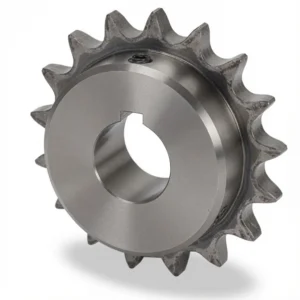
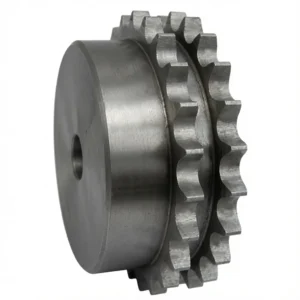
Four specifications define a correct European standard stainless sprocket: ISO 606 tooth geometry, metric bore, EN 10204 3.1 material cert, and DDP logistics. Get any one wrong and the sprocket either does not fit the chain, does not fit the shaft, fails the procurement audit, or creates a customs headache. This page covers all four.
The Four Specifications That Define a Correct DIN 8187 SS Sprocket
DIN 8187 chain has a larger roller diameter than ANSI at equivalent pitch. The tooth form must be designed around this larger roller — an ANSI sprocket at the same pitch will not seat the DIN chain correctly. We verify with physical gauge sets, not just drawings.
H7 bore tolerance in millimetres with DIN 6885 parallel keyway. European drive shafts are dimensioned metrically; an inch bore or imperial keyway requires rework that costs more than the sprocket.
Heat-specific material test report in EN 10204 3.1 format — the standard required by European OEM procurement quality systems. A generic grade datasheet does not satisfy this requirement.
Delivered Duty Paid — we handle export clearance, international freight, and import customs including duties. You receive the goods and pay one invoice. No customs agent, no import VAT surprises, no delivery-before-clearance delays.
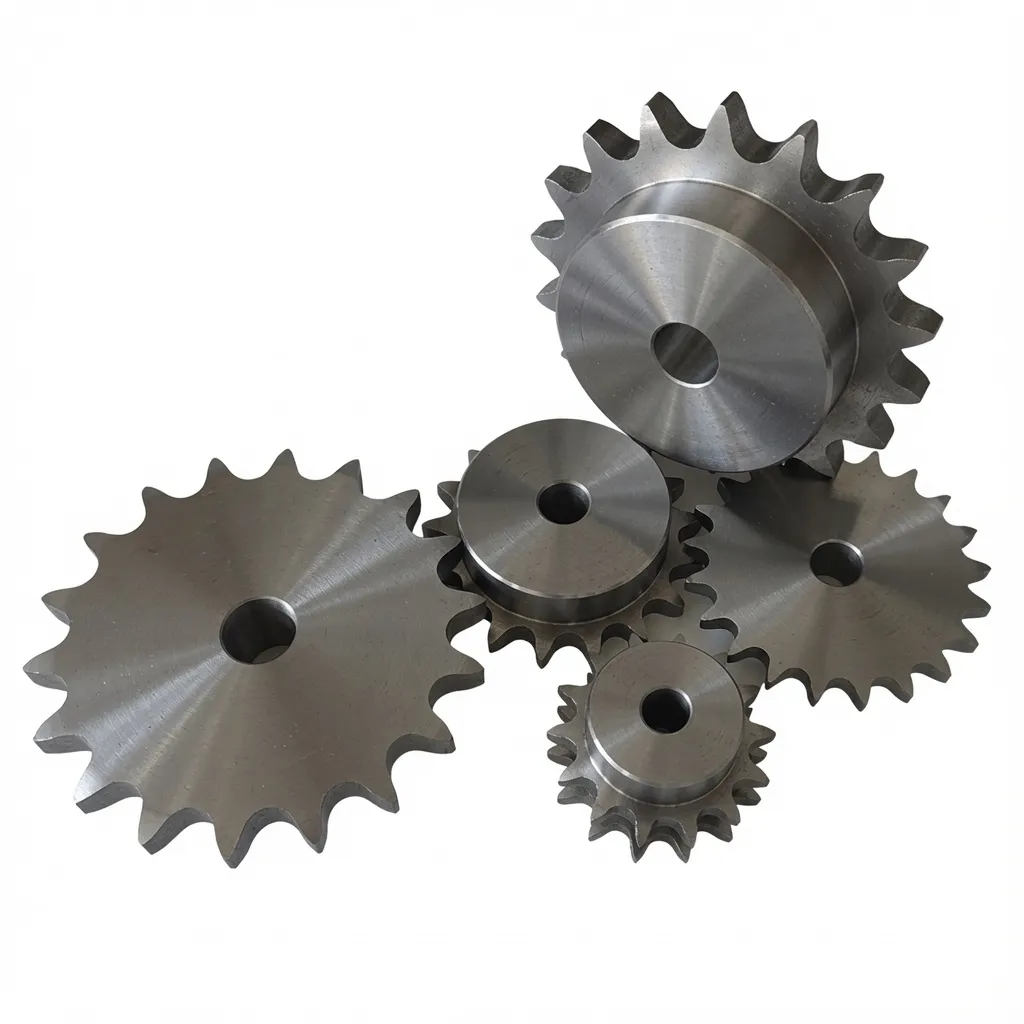
DIN vs. ANSI: The Dimensional Difference That Cannot Be Ignored
Both DIN 8187 and ANSI B29.1 use the same pitch values in mm. The difference is in roller diameter — DIN rollers are larger at every equivalent pitch. This means the seating radius of the tooth pocket must be different between DIN and ANSI sprockets for the same pitch. Installing DIN chain on an ANSI sprocket causes the rollers to ride on the tooth tips rather than seat in the pocket — producing noise, rapid wear, and chain derailment risk within hours of operation.
| パラメータ | 価値 |
|---|---|
| 標準 | DIN 8187 / ISO 606 (gauge-verified) |
| 音域 | 9.525 mm – 31.75 mm (06B through 20B) |
| 材料 | 304 SS / 316 SS |
| ボア標準 | Metric H7 + DIN 6885 parallel keyway |
| Material Cert | EN 10204 3.1(熱特性) |
| 表面仕上げ | Ra ≤ 1.6 µm std; Ra ≤ 0.8 µm EP on request |
| コンプライアンス | DIN 8187 / ISO 606、ISO 9001:2015 |
The Odd-Tooth-Count Advantage: Engineering for Long Service Life
Specifying an odd tooth count on the driver sprocket (19T, 21T, 23T rather than 18T, 20T, 22T) is a design choice that significantly extends both chain and sprocket life in applications where the chain has an even number of pitches. With an odd driver tooth count, each chain link contacts a different tooth on every revolution of the sprocket — so wear is distributed across all tooth profiles and all chain links simultaneously rather than concentrated on the few links that repeatedly contact the same teeth. In a food or dairy application running 18–20 hours daily, this even wear distribution extends the before-replacement measurement interval by 20–40% compared to even tooth counts. We supply any tooth count; we recommend odd counts for driver sprockets wherever the chain link count is even.
Identifying Your Chain as DIN 8187 or ANSI
Check the link plate stamp: DIN/ISO chains carry a letter-number designation (06B, 08B, 10B, 12B, 16B). ANSI chains carry numeric codes (25, 35, 40, 50, 60). If the chain is unstamped, measure the roller diameter — for 12.7 mm pitch: DIN 08B roller = 8.51 mm; ANSI 40 roller = 7.92 mm. That measurement definitively identifies the standard. Send us a photo of the link plate or the roller measurement and we will confirm before producing.
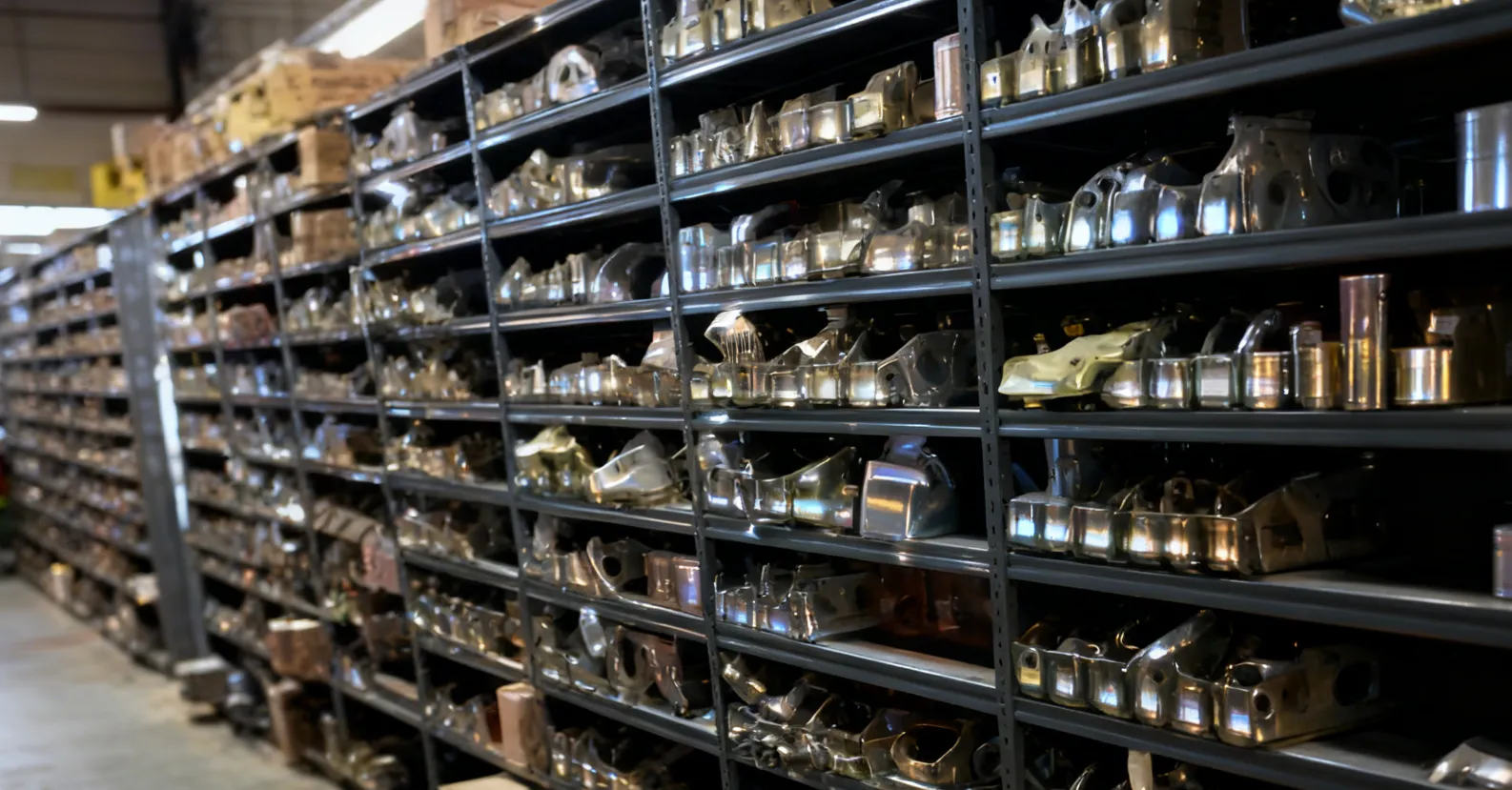
Complete DIN-Standard SS Drive System
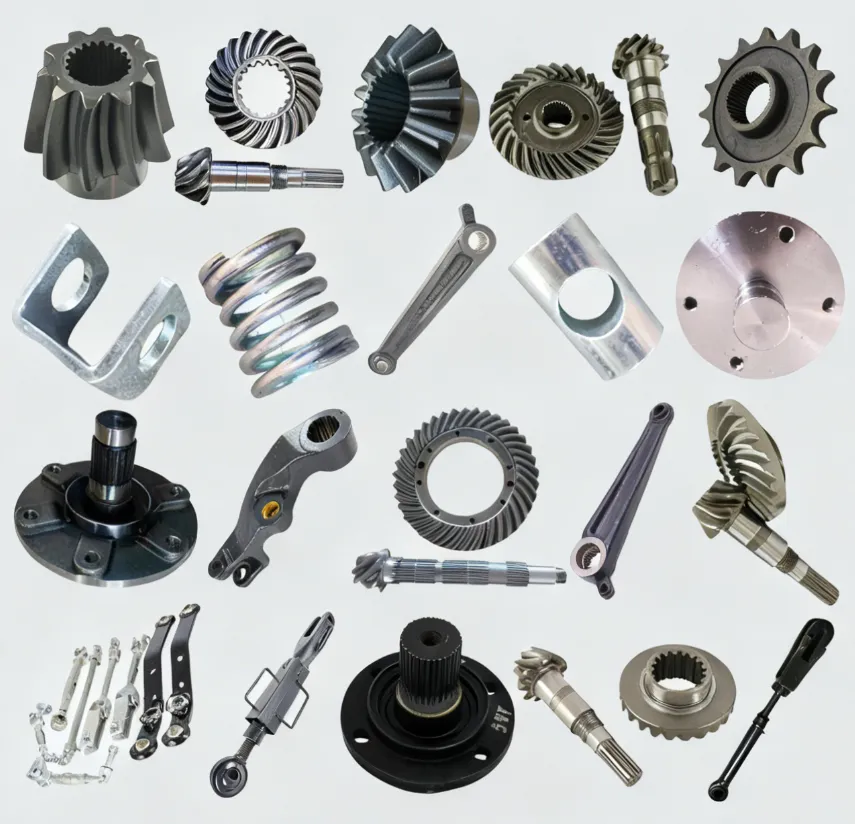
完全なDIN規格 ステンレス製スプロケット drive requires DIN-standard chain and metric hardware throughout:
- DIN 8187 / ISO 606 ステンレス鋼ローラーチェーン — 304および316グレード、06B~20B、EN 10204 3.1に準拠
- DIN 8187 ステンレス鋼アイドラスプロケット — matched grade and finish for tensioning duties
- メートル規格テーパーロックブッシングセット — for maintenance access without shaft removal
- DIN 6885 A2-70 SSキー — all metric sizes, grade-matched
- DIN規格ステンレス製接続リンク — 圧入式およびスプリングクリップ式

Start Your European Supplier Qualification
ISO 606 gauge-verified · EN 10204 3.1 · Metric bore · DDP EU/UK · ISO 9001:2015
+86-571-88220653 | [email protected] | 中国杭州市神華路
探索する complete stainless sprocket range または当社について学ぶ 会社概要ページ.
What European Customers Report
“DIN 8187 gauge-verified tooth form, metric bore, EN 10204 3.1 cert, DDP to our Dutch facility — all four boxes ticked on the first order. Previous Asian suppliers ticked two at most. Ever-Power is now our sole-source for DIN SS sprockets.”
“We switched our 10B 316 SS sprockets from Iwis to Ever-Power. Unit cost is 42% lower. Quality is the same — our incoming gauge check confirms DIN tooth form and H7 bore every order.”
“EHEDG machine required 316 SS with Ra measurement cert alongside EN 10204 3.1. Ever-Power supplied both. The auditor had no queries on the sprocket documentation. Machine certified first pass.”


レビュー
レビューはまだありません。