
Description
Hangzhou Ever-Power Sprocket Co., Ltd.
A steel mill acid pickling line processes 200–400 tonnes of strip per hour. When the conveyor drive fails, the line stops. Every hour of unplanned downtime costs multiples of what a full set of stainless sprockets costs to buy. The arithmetic is not complicated.
The Acid Pickling Line: Why This Is the Hardest Drive Application in Steel
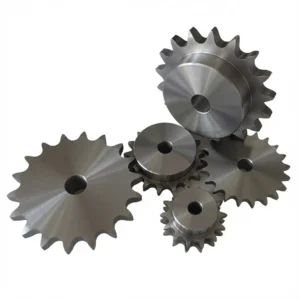
A continuous hot-strip steel mill acid pickling line combines three conditions that together make it one of the most demanding drive environments in heavy industry. First: the acid. Hydrochloric acid (HCl) at 15–20% concentration is used for scale removal from the steel strip surface. The pickling tanks generate HCl mist that saturates the atmosphere around the conveyor drives in the pickling section. Second: the load. Strip conveyors at this scale carry product weights that demand #100 pitch chain — the 31.75 mm pitch capable of carrying the tensile loads at the speeds required. Third: the criticality. A cold mill pickling line feeding a continuous galvanising or coating line operates at the capacity of the downstream process. Downtime on the pickling conveyor stops everything downstream immediately. One hour of unplanned downtime on a large integrated mill can represent a production loss worth tens of thousands of dollars. Against that cost, the price difference between a carbon steel #100 sprocket that corrodes to failure in the HCl atmosphere in 90 days, and an Ever-Power #100 Stainless Steel Sprocket from UT-tested 316 SS billet that lasts through the annual turnaround interval, is not even a second-order consideration.
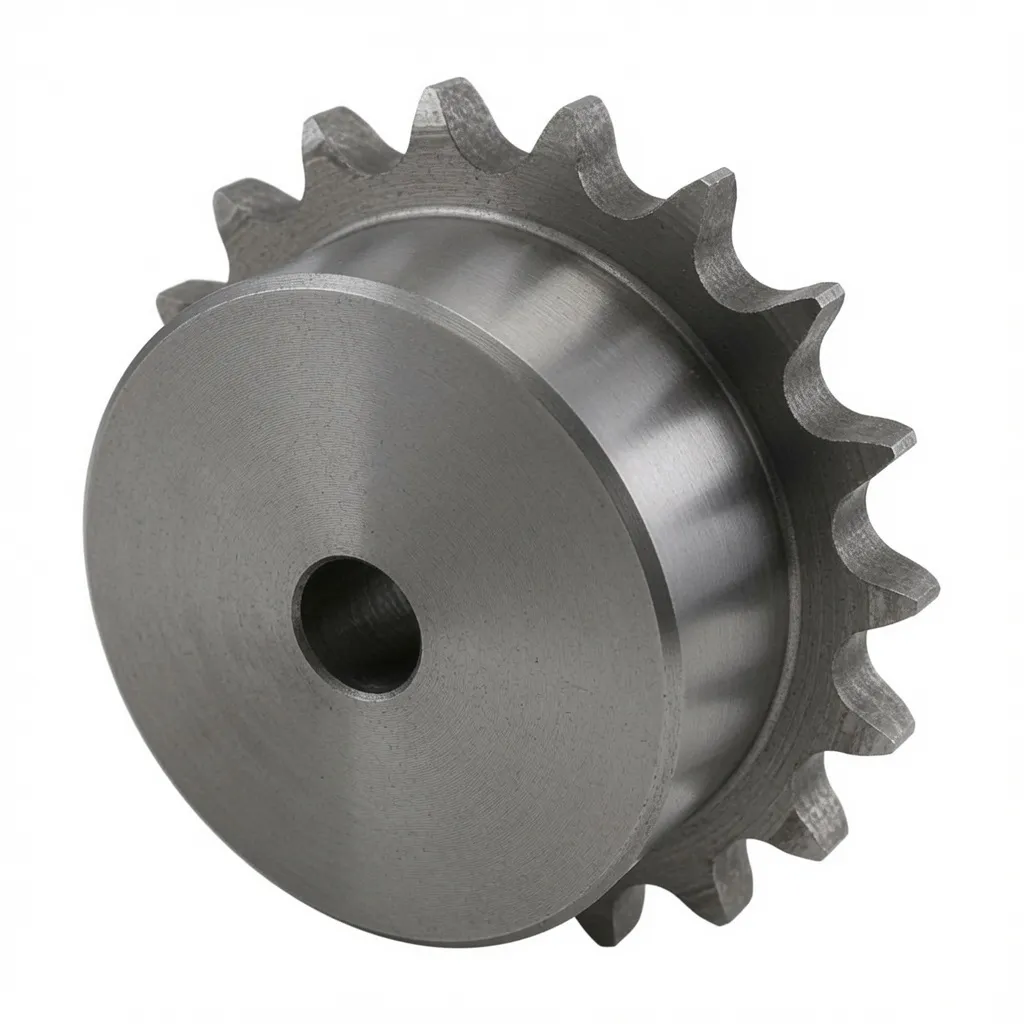
How HCl Mist Destroys Carbon Steel Sprockets — and Why 316 SS Is Different
HCl is the most aggressive common industrial acid for carbon steel — more so even than sulphuric acid at equivalent concentrations, because chloride ions are particularly effective at destroying the thin iron oxide layer that provides marginal corrosion resistance. Once that layer is breached, HCl attacks bare iron at a rate that visibly progresses in hours. A carbon steel sprocket in an HCl mist atmosphere develops pitting within days of installation, then through-thickness loss of material at tooth roots, hub faces, and bore surfaces over weeks. A sprocket that fails from internal corrosion of the bore gives no warning — it becomes loose on the shaft without visible external degradation. Grade 316 stainless steel withstands HCl at pickling line concentrations and temperatures through a fundamentally different mechanism: the chromium-molybdenum passive oxide layer does not dissolve in dilute HCl at ambient temperatures. The sprocket in the pickling line atmosphere is simply not being corroded. It wears mechanically, at a rate determined by chain load and lubrication, on a timeline that is completely compatible with an annual shutdown cycle.
Technical Specifications
| Parameter | Value |
|---|---|
| Chain No. | ANSI 100 |
| Pitch | 31.75 mm (1-1/4″) |
| Material | 316 SS (standard for HCl environments) |
| Billet QC | UT per ASTM A388 + PMI per item |
| Tooth Range | 8T – 48T (larger on request) |
| Documentation | UT clearance + PMI record + MTR + CMM report |
What Happens When a #100 Sprocket Fails on a Running Pickling Line
A tooth fracture or bore failure on a #100 conveyor sprocket in a pickling line is not a routine maintenance event. The failure mode is typically sudden — a corroded tooth root fractures under the cyclic load and the chain derails from the sprocket. In an enclosed pickling tank area, the chain derailment can damage the tank walls, the strip guidance system, and adjacent drives simultaneously. Clearing the derailed chain from an acid atmosphere requires full acid drain-down of the affected tank section, which itself takes 2–4 hours, before maintenance personnel can safely enter. The total stop duration from failure to restart is rarely less than 8 hours and commonly 12–24 hours when structural damage to the tank or guidance system is involved. The material cost of the SS sprocket that would have prevented this is a small fraction of one hour’s lost production.
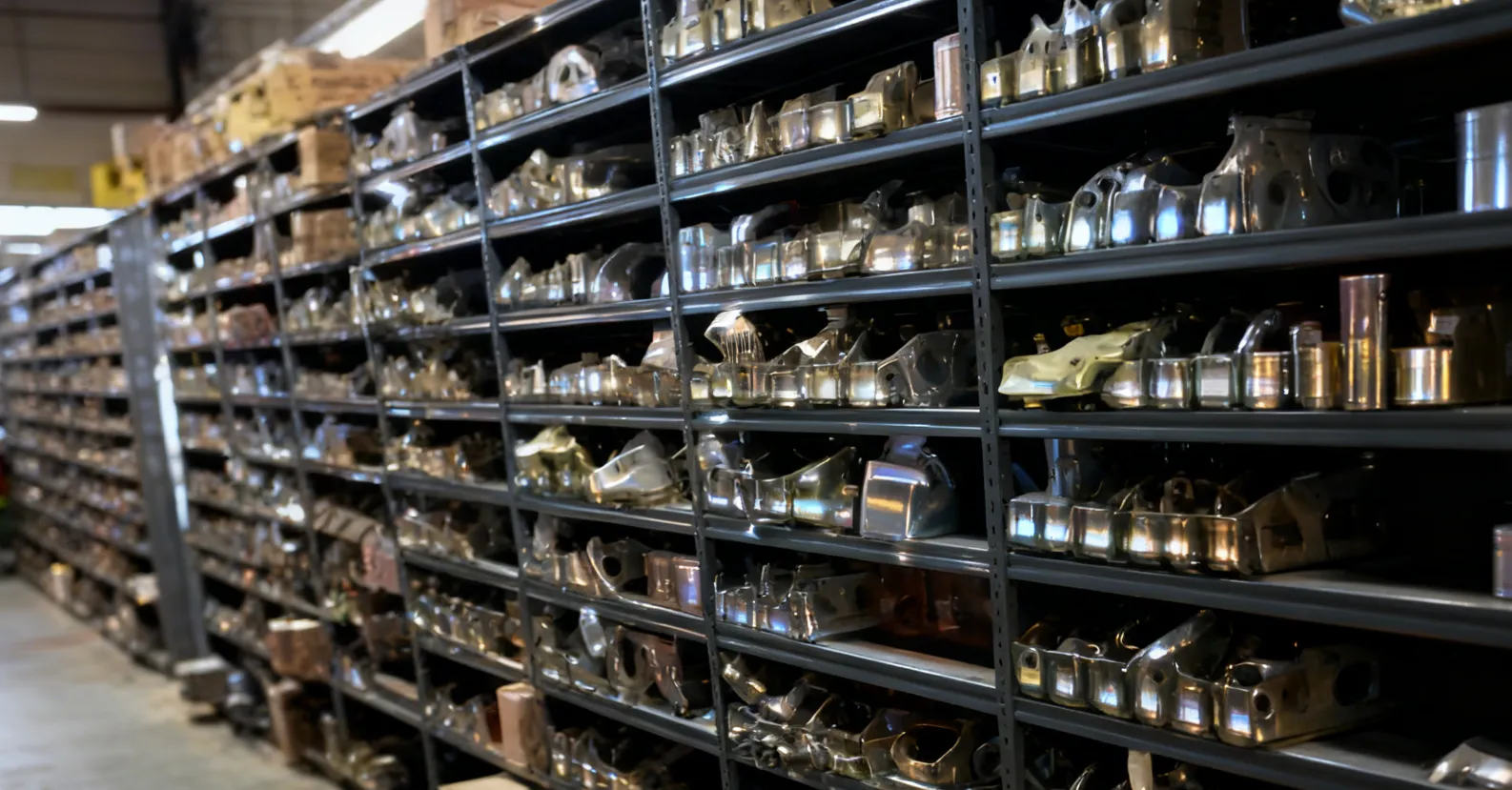
Heavy Drive System Components for Pickling Line Applications
- ANSI 100 316 SS Roller Chain — UT billet, MTR-documented, matched grade
- 100H Heavy Series SS Chain — for high-tension strip-conveyor drives
- Turnaround Replacement Kits — pre-kitted driver/driven sprocket pair + chain, delivered to your shutdown schedule
- Large QD Taper Bushings — for rapid planned changeout during the turnaround window
- Full Material Traceability Package — UT clearance + PMI + MTR + CMM, for your maintenance management system
What Steel Mill Engineers Report
“Our pickling line sprocket has been through a full calendar year in HCl mist atmosphere. At turnaround inspection: no corrosion, tooth wear within spec, bore fits correctly. This was genuinely not the outcome we expected on the first order — we had budgeted for a mid-year replacement.”
“The UT and PMI documentation satisfied our TÜV equipment certification audit without any additional testing. That alone justified the material cost premium over standard stainless — we avoided a third-party testing expense larger than the sprocket cost.”
“Complex step-hub drawing with a tight hub length requirement. Ever-Power reviewed the drawing twice before machining — that review caught a dimension conflict we had not noticed. Delivered on time for our turnaround window.”
Send Us Your Pickling Line Sprocket Specification
+86-571-88220653 | [email protected] | SHENHUA ROAD, HANGZHOU, CHINA
Explore the full stainless steel sprocket range or learn about us at the About Us page.


Reviews
There are no reviews yet.