
Description
Hangzhou Ever-Power Sprocket Co., Ltd.
The chemistry behind corrosion resistance matters as much as the material designation on the certificate. Here is what that means for your #35 chain drive.
Why Stainless Steel Resists Corrosion — and When It Doesn’t
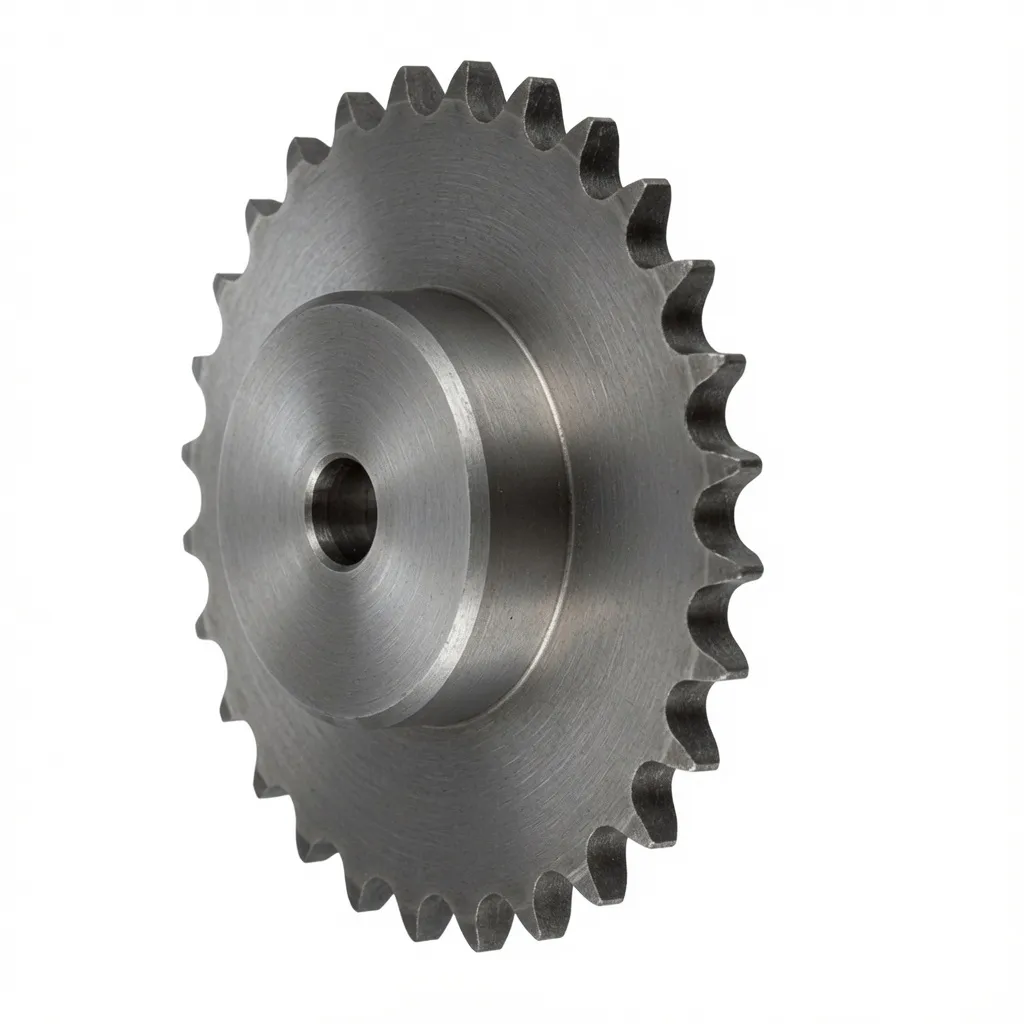
Stainless steel does not resist corrosion through a coating or plating that can chip away — it resists it through an active chemistry. The chromium content (minimum 10.5% by mass) reacts with atmospheric oxygen to form a chromium oxide layer just nanometres thick on the surface. This passive film is transparent, self-repairing, and tenaciously bonded to the substrate. If you scratch stainless steel, the oxide reforms within seconds in air. That self-healing property is exactly what carbon steel lacks — once rust begins on carbon steel, the corrosion product is porous and does not protect the surface beneath it, so deterioration accelerates rather than stopping. Understanding this difference explains why an Ever-Power #35 Stainless Steel Sprocket in a washdown zone will look and measure like new after years of chemical cleaning that would reduce a carbon steel unit to scrap.
Pitting Corrosion: The Risk That 304 Alone Cannot Handle
The passive oxide layer on 304 stainless has one meaningful weakness: chloride ions. In solutions containing chloride — saltwater, hypochlorite cleaning agents, brine, and hydrochloric acid — chloride ions penetrate the passive film at microscopic defects and initiate pitting corrosion. Pits are small in area but very deep, concentrating stress at their tips and causing rapid local metal loss. A sprocket that appears visually sound may have developed subsurface pitting that compromises tooth root strength. Grade 316 stainless solves this by adding 2–3% molybdenum, which stabilises the passive film against chloride attack and dramatically raises the critical pitting temperature. For any application involving chlorinated sanitizers, seawater, or acidic food products, specifying 316 SS is sound engineering — not a premium indulgence.
Sensitization — What Happens at Elevated Temperatures
A less-discussed risk with stainless sprockets used in heat-treated applications is sensitization: when 304 or 316 is held in the 425–850 °C range (as happens in conventional hardening cycles applied to carbon steel sprockets), chromium carbide precipitates at grain boundaries, depleting chromium from the surrounding metal and creating corrosion-vulnerable zones. This is why we specify solution annealing — a full-temperature heat treatment followed by rapid quench — rather than conventional hardening for our stainless sprockets. The result is a uniform, fully corrosion-resistant microstructure throughout the part rather than just at the surface.
Technical Specifications
| Parameter | Value |
|---|---|
| Chain No. | ANSI 35 |
| Pitch | 9.525 mm (3/8″) |
| Roller Diameter | 5.08 mm |
| Material | 304 SS / 316 SS |
| Tooth Range | 6T – 60T |
| Heat Treatment | Solution anneal (1,050 °C water quench) |
| Compliance | ANSI B29.1, ISO 9001:2015 |
Passivation — Maximising the Protective Oxide Layer
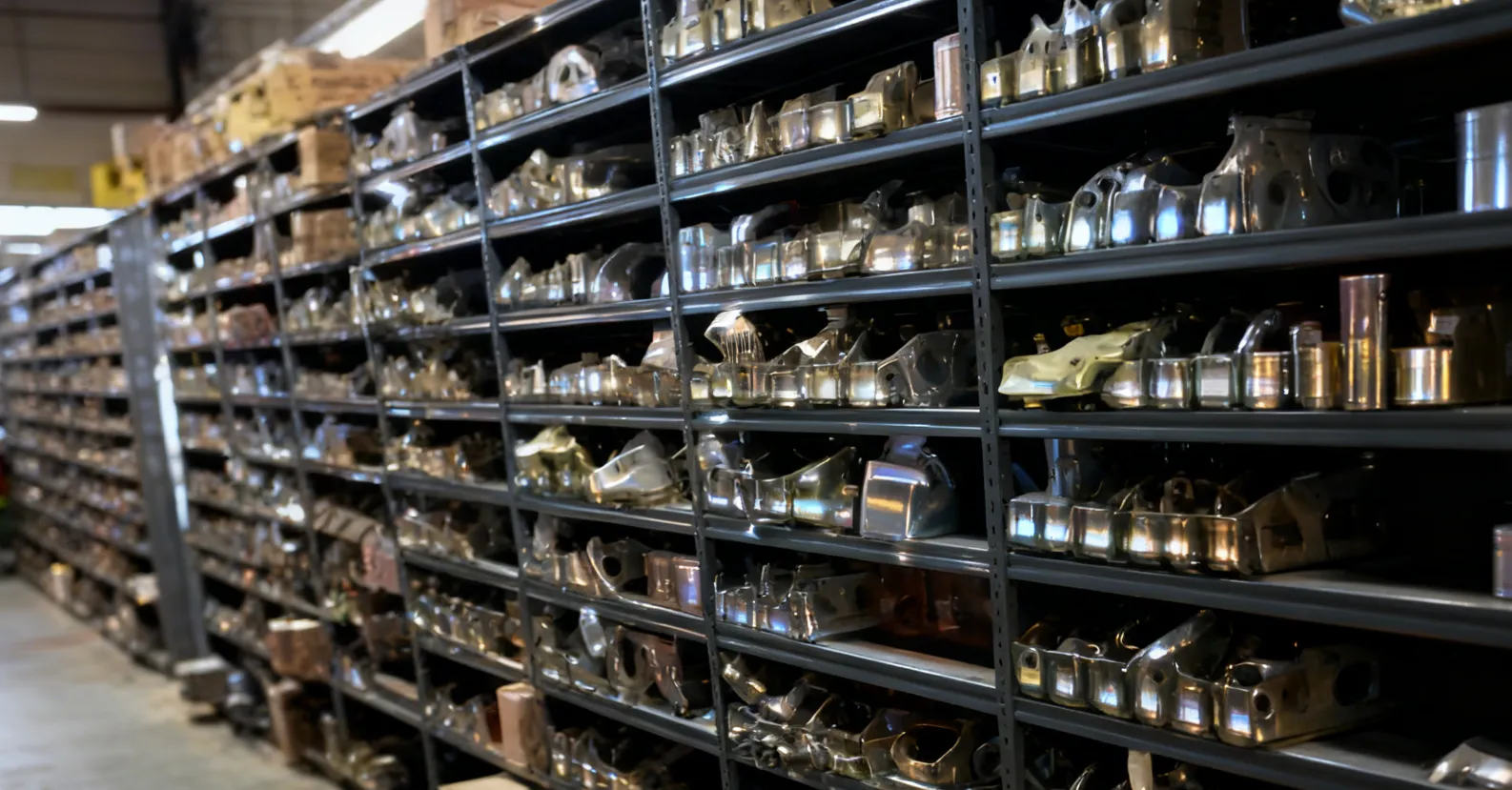
After machining, stainless steel surfaces may carry embedded iron particles from cutting tools, fixtures, or grinding media. These free-iron contaminants can initiate rust spots even on high-grade stainless — a phenomenon called “tea staining” that alarms food-safety auditors even when the underlying material is unaffected. Passivation — a citric or nitric acid bath per ASTM A967 — dissolves these surface contaminants and thickens the native chromium oxide layer to its maximum depth. We offer passivation at no extra charge for food and pharmaceutical orders. Simply note the requirement when placing your order and the treatment is included as standard.
Companion Components We Supply
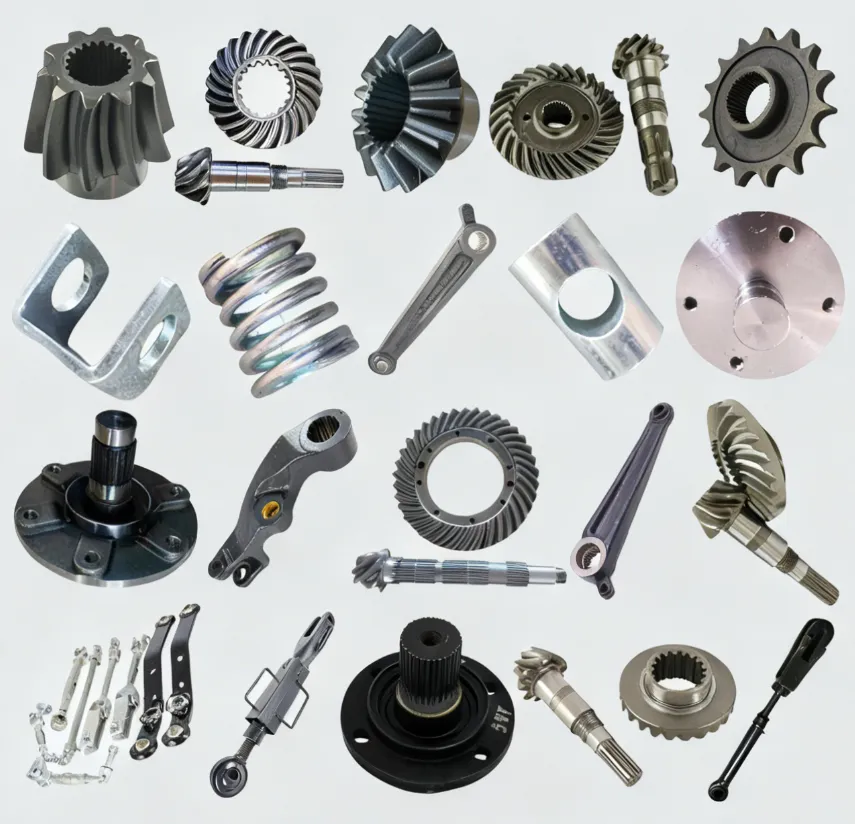
To eliminate galvanic risk in wet environments, pair your stainless steel sprocket with same-grade components throughout the drive:
- ANSI 35 SS Roller Chain — 304 and 316 grades, 10 ft and 25 ft lengths
- SS Spring-Clip Master Links — for quick chain assembly and removal
- Chain Tensioner Arms — SS adjustable arms for single-strand drives
- Sintered Bronze Sleeve Bushings — for plain-bore hub shaft support
- SS Set Screws — A2-70 grade, DIN 916 socket-head type
Customer Feedback
“Switched dairy conveyor from Browning carbon to Ever-Power 316 SS. Eighteen months later, after twice-daily steam cleaning: tooth profiles still sharp. Previously changing sprockets every six months.”
“H7 bore tolerance confirmed by our incoming QC gauges — spot on. Passivation was included as requested, MTR attached. Delivery to the UK in 14 days from order.”
“316 grade for a tropical coastal installation — two rainy seasons, no corrosion. Packaging could be more rugged for airfreight but goods arrived undamaged. Solid product.”
Get a Fast Quote on #35 SS Sprockets
+86-571-88220653 | [email protected] | SHENHUA ROAD, HANGZHOU, CHINA
Explore all stainless steel roller chain sprockets or visit our About Us page.


Reviews
There are no reviews yet.